

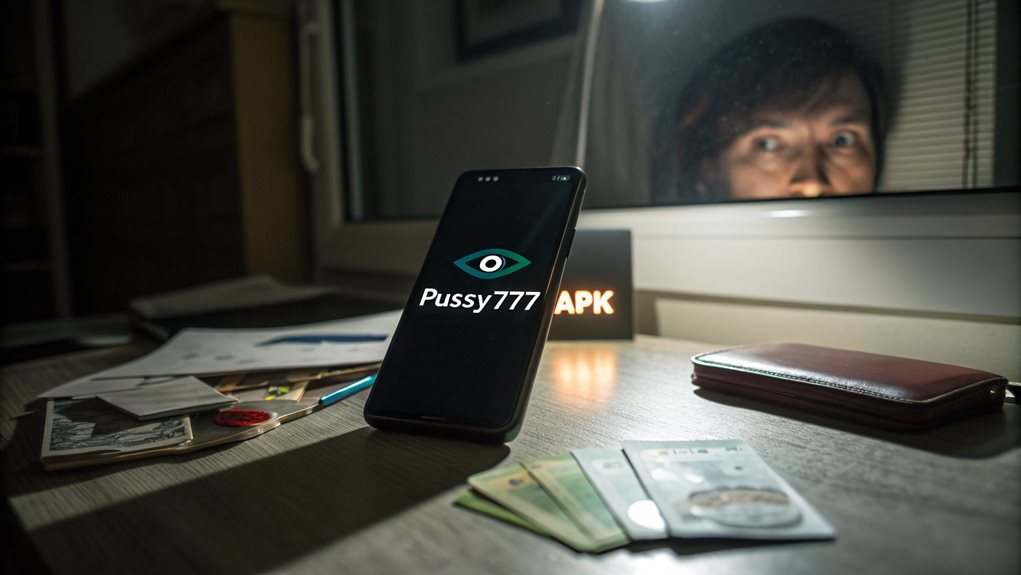
The Pussy777 APK presents considerable risks concerning user security and privacy. With its potential for malware and viruses, users may unwittingly expose their devices to harm. Additionally, gaming apps like Pussy777 often collect extensive personal information without adequate consent processes. The lack of transparent privacy policies and excessive permissions can indicate deeper issues. Users are advised to remain vigilant as they navigate, especially regarding the app's credibility and safety measures. More insights await those who explore further.
Understanding the Risks of Downloading APKs
What dangers lurk beneath the surface of downloading APKs? The integrity of APK sources often remains questionable, with many lacking rigorous vetting processes. Users risk exposure to compromised applications that may not align with their intended purpose. Download precautions are paramount; individuals must employ trusted platforms and scrutinize user reviews to gauge authenticity. Additionally, the absence of official channels hinders recourse in the event of issues. Consequently, a meticulous approach emphasizing source credibility and vigilant scrutiny of APKs can mitigate potential risks, ensuring a more secure downloading experience. Mastery in this domain requires an understanding of both the landscape and inherent vulnerabilities.
The Threat of Malware and Viruses
Although many users download APK files with the expectation of accessing unique applications, the threat of malware and viruses is a significant concern that cannot be overlooked. The prevalence of malicious software necessitates robust malware detection and virus prevention measures. Users should be acutely aware of:
- Unverified sources that increase exposure to threats.
- Inadequate security protocols on devices.
- Lack of regular updates that fortify defenses.
- Insufficient user education regarding safe downloading practices.
Each of these factors compounds the risk, making it imperative for users to remain vigilant and proactive in safeguarding their digital environments against these pervasive threats.
Data Privacy Concerns With Gaming Apps
How do gaming apps manage user data in an era of increasing privacy concerns? The reliance on user data for personalized experiences raises significant issues surrounding data breaches and user consent. Many gaming applications collect extensive personal information, often without transparent consent processes, leaving users vulnerable to unauthorized access. This lack of clarity can lead to severe repercussions when data breaches occur, compromising sensitive information. Regulatory frameworks exist, yet enforcement remains inconsistent, allowing dubious practices to persist. Consequently, users must approach gaming apps with caution, ensuring they understand the data policies in place to safeguard their privacy and security.
Identifying Red Flags in Gaming Applications
With the increasing awareness of data privacy concerns, users must remain vigilant in identifying potential red flags in gaming applications. Recognizing these red flag indicators can notably enhance app credibility. Key warning signs include:
- Lack of transparent privacy policies.
- Excessive permissions requested during installation.
- Poor reviews or ratings from reputable sources.
- Unclear or dubious developer information.
Protecting Yourself While Gaming Online
As online gaming continues to grow in popularity, individuals must adopt proactive measures to safeguard their personal information and online presence. Prioritizing online safety involves utilizing strong, unique passwords and enabling two-factor authentication where available. Additionally, players should remain vigilant regarding gaming etiquette, fostering respectful interactions to mitigate potential conflicts. Awareness of phishing scams and suspicious links is essential, as these tactics often compromise security. Regularly updating software and using reputable gaming platforms further enhances protection. Ultimately, a disciplined approach to online gaming not only secures personal data but also cultivates a positive gaming environment for all participants.
Frequently Asked Questions
Can I Trust Third-Party App Stores for Downloading APKS?
Trusting third-party app stores for APK downloads entails significant risks. Evaluating app store security and determining APK reliability is essential, as vulnerabilities can compromise devices, leading to potential data breaches or malware infections. Caution is advised.
What Should I Do if I Suspect an APK Is Harmful?
When suspecting an APK may be harmful, one should implement safety measures, such as utilizing malware detection software and conducting thorough research on the app's reputation to mitigate potential risks to device security and personal data.
Are There Legal Consequences of Using Unverified APKS?
The use of unverified APKs can lead to significant legal ramifications, including potential violations of copyright laws and breaches of app store policies. Users must remain vigilant to mitigate risks associated with unauthorized applications and their consequences.
How Can I Report a Malicious Gaming App?
To report a malicious gaming app, users should follow established reporting procedures, including notifying app stores, utilizing malicious app detection tools, and providing detailed descriptions to assist authorities in mitigating security threats effectively.
What Are the Signs of a Compromised Device After Downloading an APK?
Signs of a compromised device include unusual device behavior, such as slow performance or unexpected crashes, and persistent security alerts indicating potential threats. Vigilance in monitoring these symptoms is essential for maintaining device integrity and security.
About The Author