

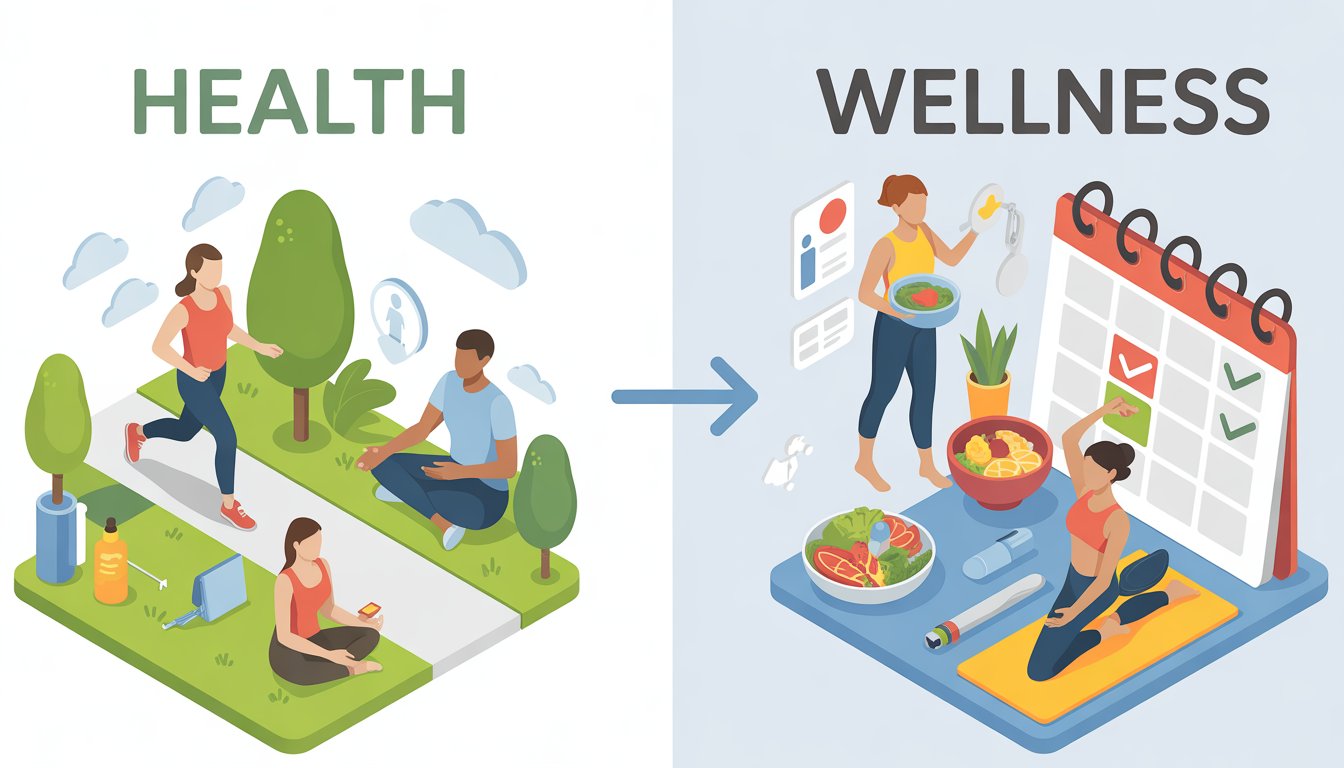
Health and wellness are often used interchangeably, but they represent different concepts that both affect how we live and feel. Health typically refers to the state of our physical, mental, and social well-being, while wellness is about actively pursuing choices and habits that improve our quality of life. Understanding this distinction is key to taking control of both how you feel day-to-day and your long-term vitality.

When I explored what drives true wellness, I found it goes beyond just avoiding illness. It involves a holistic approach that includes balanced nutrition, regular exercise, mental care, and social connection. This broader perspective helps me create goals that support all areas of my well-being rather than focusing only on symptoms or specific health conditions.
In this post, I will share insights on building sustainable habits and the dimensions of wellness that make a real difference. Whether you want to manage stress, improve fitness, or boost your emotional health, you’ll find practical ideas to guide your journey toward overall wellness. For more on this, you can visit health and wellness resources for detailed strategies.
Introduction to Health & Wellness
Health and wellness are related concepts but involve different aspects of our lives. Understanding both helps me focus on not just avoiding illness but also actively improving how I feel physically, mentally, and socially.
Defining Wellness
Wellness is a dynamic process. It goes beyond just being free of disease or injury. I see wellness as an ongoing effort to maintain balance in several key areas: physical fitness, emotional stability, intellectual growth, social connections, spiritual beliefs, and environmental awareness.
These six dimensions work together to form a complete picture of wellness. For example, I might be physically healthy but still need to improve my emotional or social well-being. Wellness requires me to be proactive and continuously work on these components.
Maintaining wellness means adopting habits that support my body and mind, such as regular exercise, healthy eating, stress management, and meaningful relationships.
What is Wellness?
Wellness is not a fixed state but an active pursuit. Unlike health, which can be seen as a goal or condition, wellness is the process I engage in every day to reach and sustain that goal.
This includes making conscious choices that promote growth and change. I recognize that wellness involves more than just physical health; it also means nurturing my mental and spiritual well-being.
For me, wellness means seeking balance across all areas of life rather than focusing on one part. Even if my physical health is good, I pay attention to emotional stress or social isolation because these can affect how I feel overall.
In practice, wellness translates to consistent actions like managing stress, practicing self-care, and creating an environment that supports my well-being. This approach helps me achieve a higher quality of life and resilience over time.
You can explore more about these ideas in this overview of health and wellness.
Physical Health and Wellness

Physical health requires attention to how I treat my body daily, including rest, nutrition, and specific self-care techniques. These aspects influence my energy, disease resistance, and recovery ability.
Body Scan Meditation
Body scan meditation helps me connect with physical sensations and reduce tension. I focus my attention slowly from my toes up to my head, noticing any discomfort or tightness without judgment. This practice increases my body awareness, which can highlight areas needing rest or care.
Regularly doing a body scan also lowers stress hormones, supporting better overall health. It’s a simple way to check in with my body’s signals and act promptly when something feels off.
Insomnia: What to Do When You Can’t Sleep
When I struggle to fall or stay asleep, I start by limiting screen time an hour before bed and keeping my bedroom cool and dark. Consistent sleep routines help regulate my internal clock.
If insomnia persists, I look at my caffeine intake and avoid heavy meals close to bedtime. Sometimes, relaxation techniques or short mindfulness sessions ease my mind enough to fall asleep. Persistent inability to sleep well may require consulting a healthcare provider for evaluation.
Sleeping Positions and Sleep Quality
Sleeping positions affect how refreshed I feel and can prevent aches. Sleeping on my back with a pillow under my knees maintains spinal alignment.
Side sleeping with a pillow between my legs can ease lower back pain and improve breathing, especially if I suffer from sleep apnea. Avoiding stomach sleeping is beneficial as it can strain my neck. Small adjustments enhance my sleep quality and daily comfort.
Dietary Supplements
I use dietary supplements to fill nutritional gaps but always prioritize a balanced diet. Common supplements like vitamin D, omega-3 fatty acids, and magnesium support bone health, inflammation control, and muscle function.
Before starting supplements, I check with a healthcare professional to avoid unnecessary or harmful intake. Quality and dosage matter; taking too much can cause side effects. Supplements work best as part of an overall health strategy, not a substitute for good nutrition.
Sex After Childbirth
Resuming sex after childbirth requires patience and communication with my partner. Physical healing varies but typically takes around six weeks for vaginal birth recovery.
Common issues like vaginal dryness and discomfort can be managed with lubricants or gentle positions. Emotional readiness is as important as physical healing. Consulting my healthcare provider ensures safety and addresses any pain or complications during intimacy.
Mental and Emotional Wellness
Mental and emotional wellness involves managing stress, understanding emotions, and maintaining mental clarity. Developing skills like emotional intelligence and addressing specific challenges can improve resilience and everyday functioning.
Coping with Depression
Depression affects mood, energy, and motivation. I know managing it requires recognizing symptoms like persistent sadness, loss of interest, and fatigue. Treatment often includes therapy, medication, or a combination.
Practical steps include establishing a routine, staying physically active, and connecting with supportive people. Monitoring triggers and seeking professional help early can prevent worsening symptoms.
Stress Management
Stress is a normal response but prolonged stress harms mental health. I manage stress by practicing mindfulness, deep breathing, and prioritizing tasks to reduce overwhelm.
Setting boundaries and taking breaks during work helps maintain focus. Techniques like physical exercise and adequate sleep improve my capacity to cope with daily demands.
Caregiver Stress and Caregiver Burnout
Caring for others can lead to physical and emotional exhaustion. I recognize caregiver burnout by feelings of irritability, fatigue, and detachment.
To prevent burnout, I schedule self-care, seek support, and delegate tasks. Joining support groups or talking with a counselor helps me process the emotional toll of caregiving.
Improving Emotional Intelligence (EQ)
Emotional intelligence helps me understand and manage my emotions and improve relationships. I increase my EQ through self-awareness, identifying feelings, and practicing empathy.
Active listening and reflecting on emotional reactions deepen interpersonal connections. Developing EQ enhances decision-making and conflict resolution skills.
Depression in Older Adults
Depression in older adults is often overlooked but serious. Symptoms may include memory problems, irritability, or withdrawal rather than sadness.
I ensure older adults get screened regularly and encourage social engagement. Tailored treatment considers physical health and medication side effects.
How to Build Confidence
Building confidence requires consistent practice and positive self-talk. I set achievable goals and celebrate small successes to build momentum.
Challenging negative beliefs and exposing myself gradually to new experiences strengthens my self-esteem. Seeking feedback and learning from mistakes are essential parts of growth.
Fear of Missing Out (FOMO)
FOMO causes anxiety about missing rewarding experiences. I counter FOMO by focusing on my values and appreciating present moments.
Limiting social media use reduces comparisons. Mindfulness and gratitude exercises shift attention from what I lack to what I have.
Sex and Intimacy After Sexual Trauma
Healing sexual trauma is complex and requires safety and trust. I prioritize communication with partners and seek professional support.
Rebuilding intimacy often starts with setting boundaries and going at my own pace. Therapy helps address trauma’s impact on self-image and relationships.
The Connection Between Sleep and Depression
Poor sleep can worsen or trigger depressive symptoms. I maintain a consistent sleep schedule and avoid stimulants before bedtime.
Improving sleep hygiene, such as limiting screen time and creating a restful environment, supports mood regulation. Addressing sleep issues can be a crucial part of depression treatment.
Sleep and Mental Health
Quality sleep supports cognitive function and emotional stability. I ensure at least 7-8 hours of sleep regularly to improve concentration and reduce irritability.
Sleep disruptions increase risks of anxiety and mood disorders. Recognizing and treating sleep problems enhances overall mental wellness.
Cognitive Dissonance
Cognitive dissonance occurs when my beliefs conflict with actions, causing discomfort. I address this by reassessing values or modifying behaviors to reduce inconsistency.
Awareness of dissonance helps me make more coherent decisions and maintain mental balance. Accepting conflicting thoughts prevents avoidance and supports growth.
Mindfulness and Meditation Practices
Mindfulness and meditation each use specific techniques to bring focused awareness and calm to mind and body. These practices can help manage stress, improve emotional balance, and enhance sleep quality. Different methods serve different purposes, catering to particular needs like relaxation, emotional coping, or sleep support.
Mindful Breathing Meditation
I start mindful breathing by concentrating fully on each breath as it enters and leaves my body. This helps anchor my attention to the present moment, reducing distractions and racing thoughts. I focus on the sensation of airflow and the rise and fall of my chest or abdomen.
If my mind wanders, I gently bring it back to my breath without judgment. I often practice this for 5 to 10 minutes, which I find effective for quickly calming stress and improving concentration.
This technique requires no special equipment and can be done sitting or lying down anywhere, making it accessible and practical to incorporate into daily life.
Body Scan Meditation
In the body scan, I mentally move through each part of my body, from head to toe, tuning into sensations like tension, warmth, or relaxation. This helps me develop greater bodily awareness and release stored stress.
I usually start by focusing on my feet, slowly shifting focus up my legs, torso, arms, and head. I do this mindfully and without trying to change what I feel, simply observing.
The body scan is especially useful for noticing physical stress patterns and cultivating a deeper sense of relaxation through sustained attention to bodily sensations.
Coping with Uncertainty Meditation
When facing uncertainty, I use meditation techniques that emphasize acceptance and presence. I focus on acknowledging my emotions and thoughts about uncertainty without trying to solve or suppress them.
This practice involves observing discomfort and anxiety with openness, reminding myself that these feelings are temporary and part of being human.
I often combine this with slow breathing or a gentle mantra to ground myself during moments of overwhelm. It helps build emotional resilience and reduces reactivity in stressful situations.
Sleep Meditation Using Guided Imagery
To support better sleep, I use guided imagery meditation where I visualize calm, peaceful scenes like a quiet beach or a gentle forest. This mental imagery shifts my focus from worries to relaxing mental pictures.
I follow a recorded guide or create my own narrative, imagining detailed sensory experiences—sounds, sights, smells, and sensations that evoke tranquility.
This method helps quiet my mind and ease tension, making it easier to fall asleep. I usually practice this lying down right before bedtime for about 15 to 20 minutes.
You can explore more on meditation practices and their benefits at resources like the National Center for Complementary and Integrative Health.
Professional Therapy and Support
Finding effective therapy and support means choosing options that fit both your needs and lifestyle. It’s important to consider confidentiality, accessibility, and the expertise of providers to ensure meaningful progress.
The Best Online Therapy Platforms
I focus on platforms offering licensed therapists with experience in mental health issues like anxiety, depression, and stress. Key features I look for include confidential video or chat sessions, flexible scheduling, and clear pricing.
Some services provide free initial assessments or the option to self-refer, making access easier. For example, the Staffordshire and Stoke on Trent Talking Therapies service offers free, confidential support for emotional issues and long-term health adjustments via phone or online Staffordshire and Stoke on Trent Talking Therapies.
I also value platforms that connect you quickly to professional psychologists, counsellors, or psychotherapists, often tailored to specific groups such as healthcare staff for targeted emotional support Wellbeing Services for Health and Care Staff.
Health & Wellness Resources and Research
I prioritize resources that provide up-to-date, evidence-based insights into wellness trends and research developments. Understanding both industry dynamics and scientific advances helps me make well-informed decisions about health strategies.
Global Wellness Institute
The Global Wellness Institute (GWI) offers comprehensive data on the wellness economy, tracking market growth and emerging trends. Their reports break down sectors like personal care, nutrition, and wellness tourism, giving clear figures on global and regional market sizes.
I find their wellness economy outlooks especially useful, as they reveal shifts in consumer behavior and investments. The GWI also promotes best practices through educational initiatives aimed at improving wellness standards worldwide. Their resources help me stay informed about the broad impact of wellness industries beyond just physical health.
Explore Wellness Industry Research
Wellness industry research is essential to grasp how products and services affect public health. I rely on sources that combine traditional health knowledge with modern scientific studies to evaluate the benefits and risks of supplements, therapies, and lifestyle changes.
Key research topics include integrative medicine, mental health interventions, and preventative care strategies. The availability of databases and libraries dedicated to health and wellness research makes it easier for me to access peer-reviewed journal articles, datasets, and case studies. This approach supports my goal of aligning wellness choices with solid, research-backed evidence. You can find extensive research tools and updates from specialized health and wellness libraries and organizations.
About The Author