
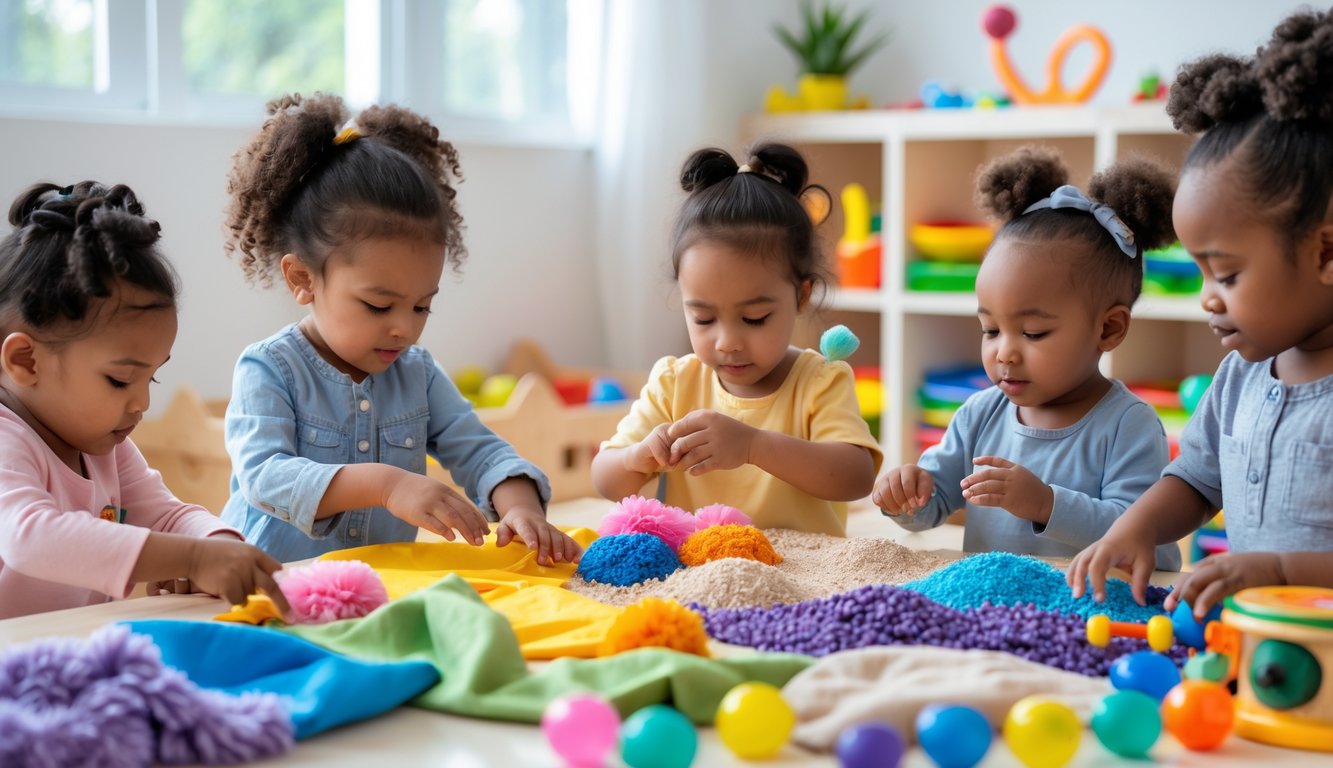
Sensory play is any activity that engages one or more of a child’s senses, such as touch, smell, sight, sound, or taste. It supports essential development by helping children build motor, cognitive, and social skills while exploring the world in a hands-on way. This approach to play encourages curiosity and learning through direct interaction with interesting textures, sounds, and materials.
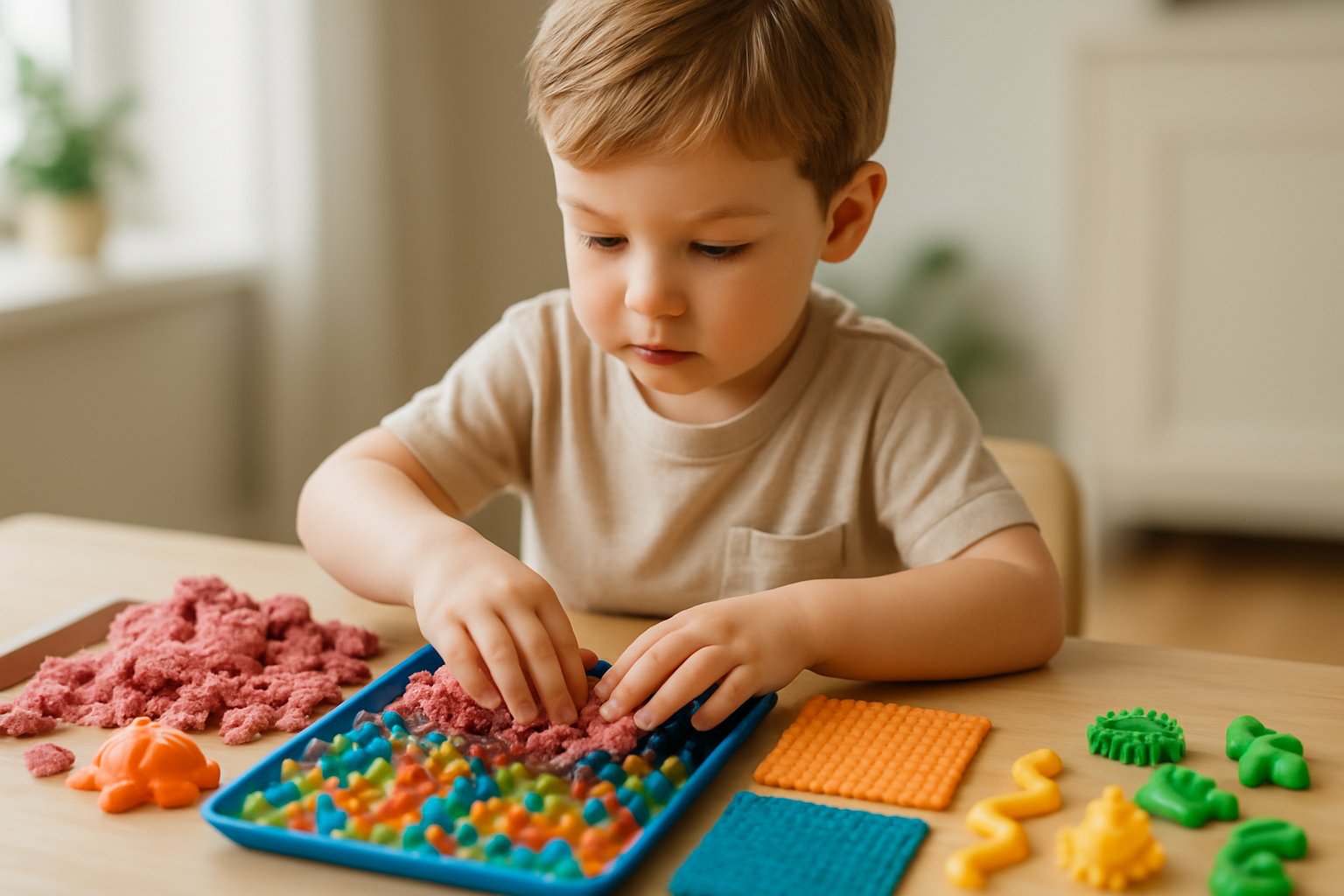
By incorporating sensory play into our daily routines, we create opportunities for children to develop language, creativity, and emotional regulation. Whether it’s simple activities like playing with rice, shaving cream, or playdough, these experiences provide lasting benefits beyond just entertainment. Understanding the value of sensory play helps us better support early learning and development.
Exploring different sensory activities also allows us to adapt to our children’s unique needs. Some may prefer calm, low-stimulation options, while others engage best with more tactile or noisy experiences. Learning how to balance these choices can enhance each child’s comfort and growth during playtime. For more ideas on engaging sensory activities, we can look at this list of sensory play ideas.
What is sensory play?
Sensory play involves activities that engage a child’s senses to enhance learning and development. It goes beyond simple fun by supporting language, motor skills, and cognitive growth through hands-on, multi-sensory experiences.
Sensory play can include anything that stimulates touch, smell, sight, sound, taste, balance, or body awareness. Understanding when to start and the key traits of sensory play helps us create meaningful experiences for children.
What age can you start sensory play?
We can begin sensory play with children from infancy. Even newborns benefit from simple sensory interactions like gentle touches, varied textures, and soft sounds.
As babies grow, mouthing toys and exploring different materials help build their understanding of the world around them.
Toddlers and preschoolers can engage in more complex sensory activities, such as mixing ingredients, playing with water, or exploring nature.
Starting sensory play early supports brain development, language skills, and fine motor abilities right from the beginning of a child’s life.
Characteristics of sensory play
Sensory play is defined by the involvement of multiple senses. This includes touch, sight, hearing, smell, taste, and the often overlooked senses of movement and balance.
It often involves open-ended materials like water, sand, clay, or textured objects that children explore freely.
Characteristics include:
- Hands-on manipulation
- Exploration without a fixed outcome
- Focus on sensory stimulation over structure
- Encouragement of curiosity and creativity
We prioritize activities that promote safe, rich sensory experiences without relying solely on screens or passive engagement. Sensory play helps children better interpret and respond to their environment.
Learn more about the foundational role of sensory play in child development at What Is Sensory Play? Benefits, Ideas, and Activities for Learning.
Why is sensory play important?
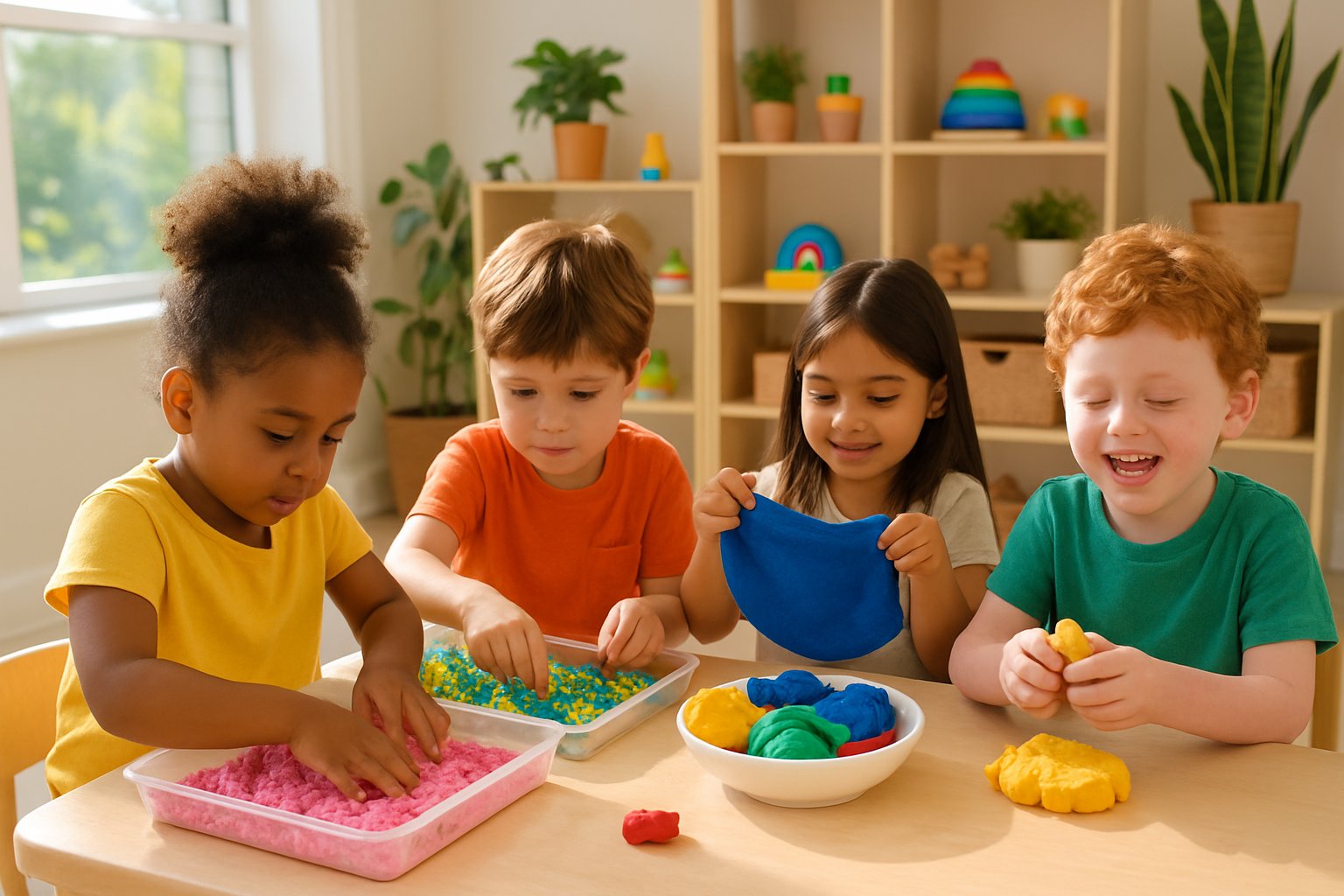
Sensory play activates different senses and supports physical, cognitive, and emotional growth. It shapes how children explore their environment, develop skills, and connect their experiences with new information.
Benefits of sensory play for babies
For babies, sensory play encourages early brain development by stimulating touch, sight, sound, and movement. It helps them recognize textures, colors, and shapes, which forms a foundation for understanding the world.
Engaging in sensory activities supports fine motor skills, such as grasping and reaching. It also strengthens their ability to focus and respond to stimuli. Sensory play aids in calming fussy infants by providing gentle, consistent sensory input that reassures them.
Benefits of sensory play for toddlers
Toddlers benefit from sensory play through improved coordination and problem-solving abilities. As they manipulate different materials, they learn cause and effect, which builds early scientific thinking.
This play encourages curiosity and experimentation. It also supports emotional regulation by helping toddlers process feelings using hands-on materials. Sensory experiences contribute to language development as toddlers discover and name new textures and sensations.
Benefits of sensory play for preschoolers
Preschoolers refine fine motor control and hand-eye coordination during sensory activities. This supports readiness for writing and self-care tasks. Sensory play at this stage helps with concentration and task persistence.
Children also begin to understand abstract concepts like size, volume, and weight by experimenting with sensory materials. Social skills improve when preschoolers share and communicate during group sensory play.
Overall benefits of sensory play
Sensory play promotes brain connections essential for learning across all domains. It supports physical coordination, problem-solving, social interaction, and emotional resilience.
These activities help children make sense of the world by integrating multiple senses. Repeated sensory experiences allow kids to distinguish meaningful information and filter out distractions effectively.
How sensory play helps with language learning
Sensory play creates opportunities for children to hear, use, and understand new vocabulary related to textures, colors, actions, and emotions. This context-rich learning enhances word comprehension and expression.
Adults engaging with children during sensory play can introduce descriptive language, ask questions, and encourage narration. This interaction supports sentence formation and communication skills. Sensory experiences also help children associate words with sensory input, strengthening memory retention.
For more on this, see benefits of sensory play for language development.
Sensory play ideas and activities
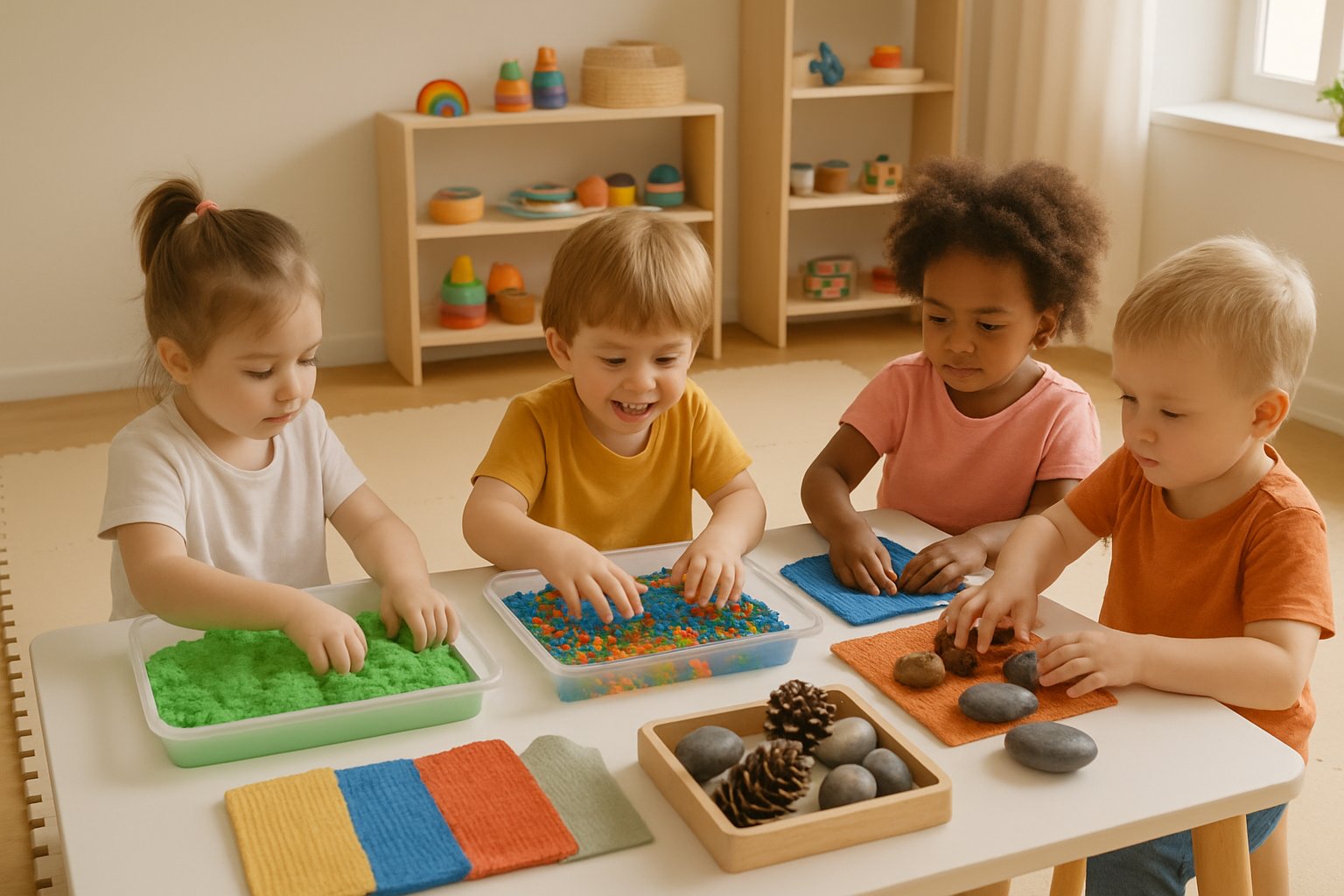
Sensory play offers many ways to engage children using everyday materials. Using varied textures, sounds, tastes, and movements, we can create activities that develop fine motor skills, coordination, and sensory processing.
Creating sensory bins
Sensory bins are containers filled with materials like rice, beans, sand, or water beads. We add small toys, scoops, or cups to encourage exploration and imaginative play. These bins help children practice tactile discrimination and hand-eye coordination.
Changing the filler material can focus on different sensory experiences, such as dry versus wet, fine versus coarse textures. We can customize themes to keep children interested and support learning about colors, shapes, and counting.
Playing with food
Food-based sensory play uses edible materials like cooked pasta, cereal, or pudding. This activity stimulates touch, smell, and taste senses safely. We encourage children to explore texture variations while practicing fine motor skills like picking and squeezing.
We ensure all materials are safe and appropriate by avoiding allergens and supervising closely. Food play also introduces language development as kids describe what they feel and taste during play.
Making homemade musical instruments
Crafting simple instruments like shakers and drums using household items develops auditory senses and rhythmic skills. For example, filling empty containers with rice or beans creates shakers, while pots and pans serve as drums.
We guide children in exploring different sounds, volumes, and rhythms. This activity encourages creativity and boosts listening skills while improving fine and gross motor coordination.
Painting and finger painting
Painting offers rich tactile and visual stimulation. We use finger paints or brushes to let children experiment with colors, mixtures, and patterns. This enhances hand strength and dexterity while encouraging artistic expression.
Finger painting, in particular, provides direct sensory feedback through the feeling of paint on fingers and hands. It fosters sensory integration and can be calming for many children.
Sound tubes and listening to music
Sound tubes are simple instruments made by filling sealed tubes with materials like beads or rice. Shaking them produces different sounds, helping children distinguish auditory textures and develop focus.
Playing varied types of music during sensory play supports auditory discrimination and emotional regulation. We encourage children to move or mark beats to connect sound with body movement.
Balance beam and jumping fun
Incorporating movement-based sensory play like balance beams and jumping enhances vestibular input and proprioception. We set up simple beams or lines on the floor to practice balancing, and create jumping games for gross motor coordination.
These activities help children understand body position and develop physical confidence. We observe safety precautions by using soft surfaces and supervising closely.
Calming bottles
Calming bottles are transparent containers filled with water, glitter, or small objects suspended in liquid. Watching the slow movement inside helps focus attention and regulate emotions.
We make these bottles with safe materials and seal them firmly. They serve as effective tools for sensory breaks and moments of self-calming during play or learning.
Sandbox and outdoor play
Outdoor sensory activities like sandboxes stimulate tactile and proprioceptive senses. Children dig, mold, and explore textures, improving fine motor skills and creativity.
We often add tools such as shovels, molds, and sieves to extend play. Exposure to fresh air and natural light further supports well-being.
Taste test challenges
Taste test challenges introduce new flavors and textures to develop oral sensory processing. Presenting small samples of fruits, vegetables, or spices encourages children to describe tastes and express preferences.
We maintain hygiene and avoid choking hazards by supervising and using age-appropriate foods. This activity broadens dietary experiences and vocabulary.
Bread baking
Bread baking engages multiple senses—touching dough, smelling yeast, and tasting the final product. Kneading dough strengthens hand muscles and teaches cause-and-effect.
We involve children in measuring ingredients and watching changes during rising and baking. This hands-on process encourages patience and sensory awareness of texture and temperature.
Mud kitchen
A mud kitchen uses natural materials like soil, water, and leaves for open-ended sensory play. Children mix, scoop, and pretend cook, enhancing tactile exploration and imagination.
We supervise for safety and hygiene while allowing freedom to create. This outdoor play supports sensory processing and motor skills development.
Frozen toys
Frozen toys add cold and tactile stimulation. We freeze small plastic toys in blocks of ice for children to explore melting, texture changes, and fine motor skills as they try to free the toys.
This activity encourages patience and problem-solving. We ensure careful supervision to avoid discomfort from prolonged cold exposure.
Puff ball sorting
Sorting puff balls by color, size, or texture develops visual discrimination and fine motor coordination. We provide containers or trays for sorting categories.
This simple, low-mess activity also encourages counting and pattern recognition. Children gain confidence in categorization and concentration skills.
Beading
Stringing beads onto cords enhances hand-eye coordination and fine motor control. Beads of various sizes and shapes allow exploration of texture and pattern creation.
We choose age-appropriate beads to reduce choking risk. Beading supports creativity and sequencing skills and can be a calming, focused activity.
Water play
Water play is a versatile sensory activity involving spilling, pouring, and scooping. Children explore temperature, flow, and buoyancy with cups, funnels, and small toys.
We monitor safety by using shallow water and constant supervision. This play promotes tactile awareness and cause-effect understanding.
Alphabet hunt
Alphabet hunts combine sensory play with literacy. We hide letters in sensory materials like rice, sand, or beans for children to find and identify.
This encourages letter recognition and fine motor skills. We adapt difficulty by using uppercase, lowercase, or beginning sounds.
Themed sensory tables
Themed sensory tables customize sensory bins for seasons, holidays, or topics like ocean or farm life. We add related objects to enhance engagement and learning.
Changing themes supports vocabulary development and observation skills. These tables provide multisensory experiences tailored to interests.
Soapy slime
Soapy slime mixes soap, water, and a thickening agent to create a stretchy, slippery texture. Children squeeze and stretch slime to develop tactile tolerance and hand strength.
We ensure non-toxic ingredients and clean play areas. Slime play can be both entertaining and therapeutic.
Rainbow rice and bottle tops
Colored rice combined with bottle tops or small objects invites sorting, scooping, and pattern making. Vibrant colors stimulate visual sense and creativity.
We prepare rainbow rice by dyeing uncooked grains with safe food coloring. This activity supports fine motor skills and color recognition.
Ice boats
Ice boats involve freezing small craft boats in ice blocks for children to observe melting and experiment with water movement. This introduces basic science concepts.
We supervise careful handling and provide warm water for faster melting. Ice boats combine tactile, visual, and problem-solving sensory input.
Sensory balloon bath
A sensory balloon bath involves filling balloons with various materials like water, rice, or beads. Children squeeze and explore differing textures and weights.
This activity supports tactile exploration and fine motor development. We ensure balloons are intact and supervise to prevent choking.
Cloud dough and shaving cream
Cloud dough and shaving cream offer fluffy, soft textures for molding and sensory exploration. Cloud dough, made from flour and oil, is easy to shape.
These materials encourage creative play and tactile input, suitable for calming or stimulating sensory experiences. Clean-up is simple with proper preparation.
Playing with gloopy gloop
Gloopy gloop, made from cornstarch and water, is a non-Newtonian fluid that flows and resists pressure. It fascinates children with its unique texture.
We guide children to squeeze and release the mixture, promoting tactile exploration and fine motor strength. This activity teaches cause and effect through sensory experience.
For detailed sensory play activity lists, see 90 Easy Sensory Activities for Kids and Sensory Play Activities for Kids | Hands-On Fun All Year.
Tips and guidance for sensory play
To support effective sensory play, we focus on adapting activities to each child’s interests and developmental stage. Simple setups often work best, while combining senses can deepen engagement. Daily routines like mealtimes and car journeys also offer natural chances for sensory exploration. Specific strategies help toddlers benefit safely and enjoyably from sensory experiences.
Follow your child’s lead
We observe what captures our child’s attention and let them guide the experience. If they reach for a certain texture or sound, we provide more of that. This approach respects their pace and preferences, encouraging curiosity and confidence.
Trying to force certain activities can lead to frustration or overstimulation. Instead, we introduce new materials gently and stay responsive to their reactions. This helps ensure play stays enjoyable and developmentally appropriate. Consistent observation is key to tailoring sensory play effectively.
Keep it simple
We don’t need elaborate setups or expensive materials to create meaningful sensory experiences. Everyday household items like rice, water, or fabric scraps offer a variety of textures and sensations. Simple tools keep sensory play manageable and low-stress.
Limiting the number of materials used per session prevents overwhelming the child. We focus on one or two sensory elements at a time for clarity and impact. A simple tray or container can organize everything neatly. The goal is hands-on exploration without clutter or distraction.
Link multiple senses
Combining sensory inputs supports stronger learning and engagement. For example, using scented play dough adds smell to touch. Playing soft music while manipulating different textures introduces auditory and tactile senses together.
Multisensory play fosters brain development and can improve focus. We can encourage children to describe what they feel, hear, or smell to deepen awareness. Coordinated sensory experiences also build connections that aid memory and creativity.
Make mealtimes and car journeys fun
Routine moments offer opportunities for sensory activities. At mealtimes, we can explore new tastes, smells, and food textures to broaden sensory experience. Giving toddlers small safe portions of different textures encourages curiosity and acceptance of new foods.
In the car, simple games like listening for different sounds or feeling objects of varied textures keep senses active. These moments don’t require preparation but keep the child engaged and learning. Sensory play doesn’t need a special setup to be effective.
Play tips for toddlers
Toddlers benefit from safe, supervised sensory play that balances exploration with clear boundaries. We prepare sensory bins with age-appropriate materials that can’t be swallowed or cause harm. Regular cleaning and monitoring reduce risks.
We encourage toddlers to use their senses actively, naming sensations and emotions that arise. Celebrating messy play without judgment promotes confidence. Clear rules about hygiene and clean-up teach responsibility alongside sensory learning. This stage calls for patience and flexibility to match fast-changing interests.
Additional resources and how to support access
Access to sensory play can be enhanced through practical strategies that address individual needs. Proper support often involves adapting environments, choosing suitable materials, and utilizing community resources. We can create engaging and inclusive sensory experiences by combining these elements effectively.
Helping children access sensory play
We should start by recognizing each child’s unique sensory preferences and sensitivities. Providing a variety of sensory materials—such as textured objects, water, sand, or noise-reducing headphones—can help meet diverse needs. Creating clear routines around sensory play supports predictability and comfort for children who might feel overwhelmed.
Adjusting the physical environment is crucial. Using soft lighting, limiting loud noises, and offering calm spaces encourages participation. Training caregivers and educators to identify signs of sensory overload and how to respond is also important. Schools and homes can benefit from sensory equipment, which has been shown to improve focus and engagement when carefully selected and funded through available programs funding options for sensory equipment.
Supporting disabled children in play
Supporting disabled children requires tailored approaches that accommodate their specific sensory integration challenges. We need to work closely with occupational therapists and specialists who can recommend appropriate sensory tools and activities. This collaboration ensures children receive the right type and level of sensory input.
Inclusion is key. We can adapt play spaces by removing potentially harmful triggers and adding calming tools, like weighted blankets or tactile toys. Using play-based assessments helps us understand each child’s needs, enabling us to integrate sensory activities throughout their daily schedules in educational settings supporting sensory needs at school.
Learning through play with LEGO®
LEGO® bricks offer a versatile way to support sensory development alongside cognitive and motor skills. The tactile nature of LEGO encourages fine motor planning, hand-eye coordination, and problem-solving. Incorporating sensory-rich tasks like sorting bricks by texture or color increases engagement.
We can combine LEGO play with sensory tools such as play trays to provide contained spaces that reduce overstimulation. LEGO-based activities also foster social interaction by encouraging cooperative building and communication. Pediatric therapists recommend using LEGO as both a creative outlet and sensory integration aid sensory play ideas to support child development.
Sign up to newsletters and community resources
Staying informed through newsletters and community groups helps us access the latest strategies and resources for sensory play. Many organizations offer free guides, event updates, and expert advice tailored for parents, educators, and therapists.
We recommend subscribing to newsletters from therapy centers, educational resources, and sensory equipment providers. Participating in local or online support groups offers opportunities to exchange ideas and obtain peer support. Consistent engagement with these communities ensures we remain proactive in creating effective sensory-friendly environments free sensory play resources.
Takeaway
Sensory play is a vital part of early childhood development. It engages multiple senses, helping children build neural connections that support cognitive, social, and emotional growth.
By incorporating simple sensory activities into daily routines, we encourage curiosity and problem-solving skills in toddlers and preschoolers. These activities can range from tactile experiences to auditory and visual stimulation.
Key benefits include:
- Enhanced fine motor skills
- Improved social interaction
- Greater creativity
- Stronger problem-solving abilities
We can easily use household items to create sensory experiences, making play both accessible and cost-effective.
Consistency is important. Offering sensory play regularly helps children meet developmental milestones and fosters learning readiness.
Exploring different textures, sounds, and movements allows us to support each child’s unique developmental path.
For more ideas and detailed activities, we can refer to resources like the collection of 20 easy sensory play activities or guides on sensory play development.
About The Author