

If your senior pet gets anxious about boarding or grooming sessions, you can help them adjust with simple steps. By understanding their needs, preparing comfort items pet grooming, and introducing them gradually, you can ensure a smoother experience.
Communication with staff and follow-up care are also essential for their well-being. With your support and patience, your senior pet can feel more at ease during these sessions.
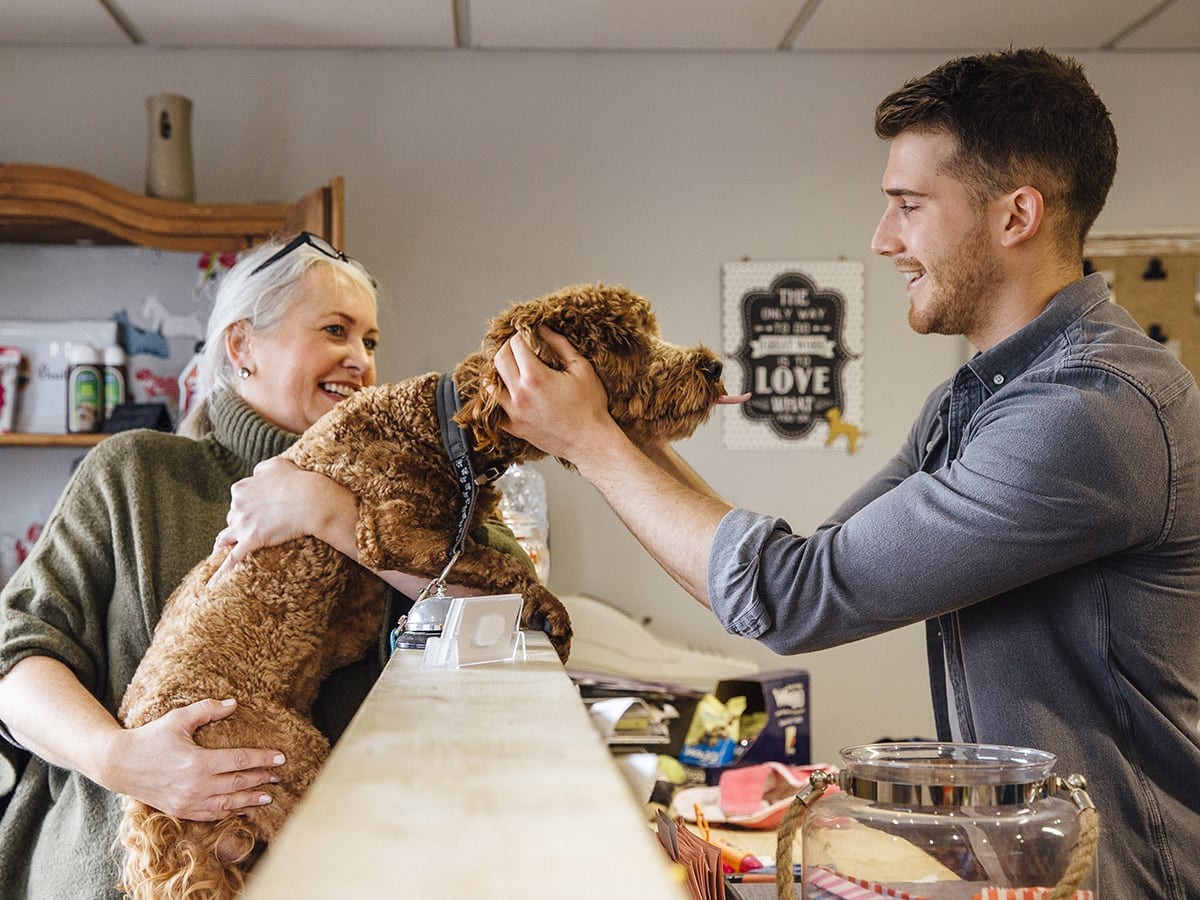
Understanding Your Senior Pet’s Needs
When you’re considering boarding or grooming your senior pet, it’s crucial to understand their specific needs. Senior pets may have limitations due to age-related conditions like arthritis or hearing loss. It’s essential to communicate any special requirements to the boarding facility or groomer beforehand. Make sure they’ve easy access to water, comfortable bedding https://starlux.petuniverse.com/, and any medications they may need.
Additionally, older pets might need more frequent potty breaks or shorter grooming sessions to prevent exhaustion. Familiarize yourself with your pet’s routine and habits to help the staff provide the best care. By being proactive and attentive to your senior pet’s needs, you can ensure they’ve a comfortable and safe boarding or grooming experience.
Preparing Your Senior Pet’s Comfort Items
To ensure your senior pet’s comfort during boarding or grooming sessions, make sure to pack their familiar items that provide a sense of security and familiarity. Items like their favorite blanket, bed, toys, or even a piece of clothing with your scent can help alleviate any stress or anxiety they may experience in a new environment.
Familiar scents and objects can provide a sense of home and ease their transition while you’re away. Remember to label all items with your pet’s name to ensure they aren’t misplaced. By including these comfort items in your pet’s belongings, you’re helping them feel more at ease and settled during their time away from home.
Introducing Your Senior Pet Gradually
As you begin introducing your senior pet gradually to new environments, consider starting with short visits to acclimate them to the surroundings. Take your pet to the boarding or grooming facility for brief periods initially, allowing them to familiarize themselves with the sights, sounds, and smells. Use positive reinforcement and treats to create a positive association with the new environment.
Slowly increase the duration of these visits to help your senior pet adjust at their own pace. Monitor their body language and behavior for signs of stress or discomfort, and be patient throughout the process. By introducing your senior pet gradually, you can help them feel more comfortable and secure during boarding and grooming sessions.
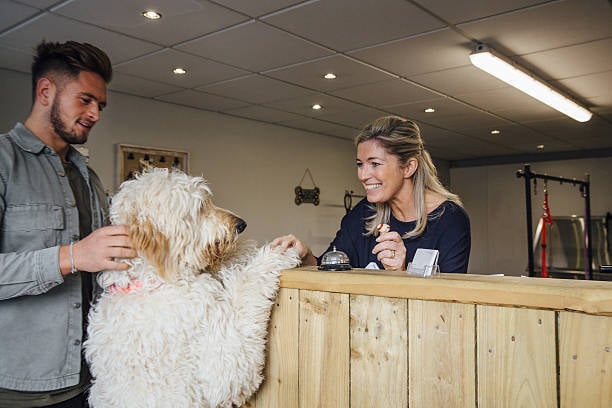
Communicating With Boarding/Grooming Staff
As you progress in introducing your senior pet gradually to new environments, communicate effectively with boarding/grooming staff to ensure your pet’s needs are understood and met. Clearly explain your pet’s routines, preferences, and any health concerns. Provide written instructions if necessary and discuss any specific requirements your senior pet may have.
Ask questions about the facility’s procedures and express any concerns you may have. Regularly check in with the staff to see how your pet is doing and address any issues promptly. Open communication will help the staff tailor their care to suit your pet’s individual needs, making the boarding or grooming experience more comfortable and stress-free for your senior furry friend.
Following Up After the Session
After checking in with the boarding/grooming staff during the session, make sure to follow up with them after your senior pet’s session to address any lingering concerns or issues promptly. This step is crucial in ensuring your pet’s well-being and comfort.
Ask the staff about how your pet behaved during the session, if they ate well, and if there were any unexpected reactions. Inquire about any specific areas that needed attention or any signs of discomfort they may have noticed.
Addressing these issues promptly can prevent any potential problems from escalating and can help improve future sessions for your senior pet. Remember, open communication with the staff is key to providing the best care for your furry friend.
Conclusion
Helping your senior pet adjust to boarding and grooming sessions is important for their well-being and comfort. By understanding their needs, preparing their comfort items, introducing them gradually, communicating with staff, and following up after the session, you can make the experience as stress-free as possible for your beloved companion.
With a little extra care and attention, your senior pet can feel safe and happy during their time away from home.
About The Author